As a supplier of pole mounted transformers, I understand the critical importance of assessing the aging of these essential electrical assets. Pole mounted transformers play a pivotal role in distributing electricity to residential, commercial, and industrial areas. Over time, however, they are subject to various factors that can lead to aging and potential failure. In this blog, I will share some insights on how to assess the aging of a pole mounted transformer, drawing on my experience in the industry. Pole Mounted Transformer

1. Visual Inspection
One of the simplest yet most effective ways to start assessing the aging of a pole mounted transformer is through a visual inspection. This should be carried out regularly, at least once a year, and more frequently in areas with harsh environmental conditions.
- External Physical Condition: Check the transformer’s enclosure for signs of damage, such as cracks, dents, or rust. A damaged enclosure can allow moisture and contaminants to enter the transformer, which can accelerate aging and cause internal damage. Look for any signs of oil leakage around the gaskets, bushings, or valves. Oil leakage not only indicates a potential problem with the transformer’s seals but also can lead to a loss of insulation and cooling capacity.
- Bushings: Inspect the bushings for signs of cracking, tracking, or discoloration. Bushings are critical components that provide electrical insulation between the transformer’s internal windings and the external electrical connections. Any damage to the bushings can lead to electrical arcing and short – circuits.
- Cooling Fins: Examine the cooling fins for dirt, debris, or corrosion. The cooling fins are responsible for dissipating heat from the transformer. If they are blocked or corroded, the transformer’s cooling efficiency will be reduced, causing it to operate at higher temperatures, which can accelerate aging.
2. Temperature Monitoring
Temperature is a key indicator of a transformer’s health. High operating temperatures can significantly reduce the lifespan of a transformer by accelerating the aging of the insulation materials.
- Thermal Imaging: Use thermal imaging cameras to detect hot spots on the transformer. Hot spots can indicate areas of high resistance, such as loose connections or overloaded windings. Regular thermal imaging surveys can help identify potential problems before they lead to a major failure.
- Temperature Sensors: Install temperature sensors inside the transformer to monitor the temperature of the windings and oil. This data can be used to track the transformer’s temperature trends over time and to set alarm thresholds. If the temperature exceeds the normal operating range, it may be a sign of an underlying problem, such as a short – circuit or a blocked cooling system.
3. Oil Analysis
Transformer oil serves several important functions, including insulation, cooling, and arc quenching. Analyzing the oil can provide valuable information about the transformer’s internal condition and the extent of aging.
- Dissolved Gas Analysis (DGA): DGA is a widely used technique for detecting incipient faults in transformers. When a fault occurs inside the transformer, such as an overheating or arcing, gases are produced and dissolved in the oil. By analyzing the concentration and composition of these gases, it is possible to identify the type and severity of the fault. For example, high levels of methane and ethane may indicate overheating, while high levels of hydrogen may indicate arcing.
- Oil Quality Testing: Test the oil for various properties, such as dielectric strength, moisture content, and acidity. A decrease in dielectric strength can indicate a breakdown of the insulation, while high moisture content can accelerate the aging of the insulation and increase the risk of electrical breakdown. Acidity in the oil can be a sign of oxidation, which can also degrade the insulation.
4. Electrical Testing
Electrical testing can help assess the integrity of the transformer’s windings and insulation.
- Insulation Resistance Testing: Measure the insulation resistance between the windings and the ground. A low insulation resistance value may indicate a breakdown of the insulation, which can lead to electrical leakage and short – circuits. This test should be carried out periodically to monitor the insulation condition over time.
- Turns Ratio Testing: Measure the turns ratio of the transformer’s windings. A significant deviation from the rated turns ratio may indicate a short – circuit or an open – circuit in the windings. This test can help detect internal faults in the transformer.
- Partial Discharge Testing: Partial discharges are small electrical discharges that occur within the insulation. They can cause damage to the insulation over time and lead to a complete breakdown. Partial discharge testing can detect the presence and magnitude of partial discharges, which can help identify potential insulation problems.
5. Load Analysis
Understanding the transformer’s load profile is essential for assessing its aging. Overloading a transformer can cause excessive heat generation and accelerate the aging process.
- Load Monitoring: Install load monitoring devices to measure the transformer’s load over time. This data can be used to determine the peak load, average load, and load factor. A high load factor or frequent peak loads can indicate that the transformer is being overloaded.
- Load Forecasting: Use historical load data and future demand projections to forecast the transformer’s load. This can help determine if the transformer has sufficient capacity to meet the future load requirements. If the projected load exceeds the transformer’s rated capacity, it may be necessary to upgrade the transformer or implement load management strategies.
6. Environmental Factors
The environment in which the transformer operates can have a significant impact on its aging.
- Pollution and Contamination: In areas with high levels of pollution or contamination, such as industrial areas or coastal regions, the transformer’s insulation can be damaged by pollutants. Regular cleaning and maintenance can help reduce the impact of pollution on the transformer.
- Weather Conditions: Extreme weather conditions, such as high temperatures, high humidity, and lightning strikes, can also accelerate the aging of the transformer. Installing lightning protection devices and ensuring proper ventilation can help protect the transformer from weather – related damage.
Conclusion
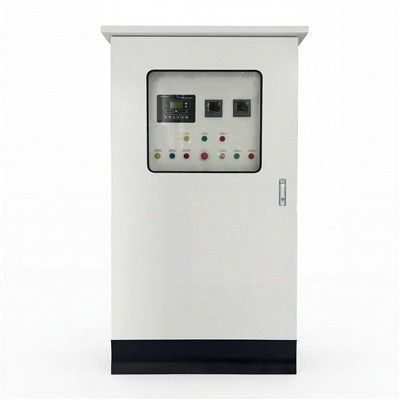
Assessing the aging of a pole mounted transformer is a complex process that requires a combination of visual inspection, temperature monitoring, oil analysis, electrical testing, load analysis, and consideration of environmental factors. By regularly monitoring these aspects, it is possible to detect potential problems early and take appropriate measures to extend the transformer’s lifespan and prevent costly failures.
Pole Mounted Transformer If you are in the market for high – quality pole mounted transformers or need professional advice on transformer aging assessment, I invite you to contact me. I am committed to providing reliable products and expert services to meet your electrical needs.
References
- "Transformer Maintenance Guide", IEEE Standards Association.
- "Power Transformer Aging and Life Management", CIGRE Technical Brochure.
- "Electrical Insulation for Rotating Machines: Design, Evaluation, Aging, Testing, and Repair", EPRI.
Jiangsu Yuantong Electric Co., Ltd.
As one of the most experienced pole mounted transformer manufacturers and suppliers in China, we also support customized service. Please rest assured to wholesale bulk high quality pole mounted transformer in stock here from our factory. Contact us for more details.
Address: No. 202, Qiaogang Road, Xicheng Subdistrict, Hai’an City
E-mail: jsytdq@jsytelectric.com
WebSite: https://www.jsytelectric.com/
