When it comes to dyeing knitted fabrics, the choice of dye is crucial. As a supplier of Liquid Reactive Dyes, I’ve encountered numerous inquiries regarding the suitability of our products for this specific application. In this blog, I’ll delve into the characteristics of knitted fabrics, the properties of Liquid Reactive Dyes, and whether they make a good match. Liquid Reactive Dyes

Understanding Knitted Fabrics
Knitted fabrics are crafted through inter – looping yarns, which gives them distinct properties compared to woven fabrics. Firstly, they possess excellent elasticity. This elasticity comes from the structure of the loops, which can stretch and return to their original shape. For example, in sportswear made from knitted fabrics, it allows for a wide range of motion without the fabric tearing or losing its shape.
Secondly, knitted fabrics are known for their softness and comfort. The fabric’s surface is less rigid than that of woven fabrics, and it conforms well to the body. Many undergarments are made from knitted fabrics for this very reason. Additionally, knitted fabrics often have good breathability. The porous structure formed by the loops allows air to circulate, keeping the wearer cool and dry.
However, these properties also present challenges in the dyeing process. The elasticity means that the fabric is more likely to deform during dyeing, and the soft surface can be more easily damaged. The porosity of the fabric can lead to uneven dye absorption if not properly managed.
Characteristics of Liquid Reactive Dyes
Liquid Reactive Dyes are a type of dye that forms a covalent bond with the fibers of the fabric. This chemical reaction results in a very strong bond between the dye and the fiber, which offers several advantages.
One of the key advantages is color fastness. Once the covalent bond is formed, the dye is firmly attached to the fiber. This means that the dyed fabric is resistant to fading caused by washing, light exposure, and rubbing. For example, a pair of jeans dyed with reactive dyes will maintain its color vibrancy even after multiple washes.
Liquid Reactive Dyes also offer a wide range of colors. The chemical structure of these dyes can be modified to produce an extensive color palette, from bright and vivid hues to more subdued and earthy tones. This variety allows for greater creative freedom in fabric design.
Another benefit is their relatively high reactivity. Liquid Reactive Dyes can be applied under relatively mild conditions compared to some other types of dyes. This reduces the potential damage to the fabric during the dyeing process.
However, Liquid Reactive Dyes also have some limitations. They require specific pH and temperature conditions to react effectively with the fibers. If these conditions are not carefully controlled, the dye may not bond properly, leading to poor color fastness or uneven dyeing.
Suitability of Liquid Reactive Dyes for Knitted Fabrics
Advantages
- Color Fastness: Given the nature of knitted fabrics, which are often used in clothing items that require frequent washing, the excellent color fastness of Liquid Reactive Dyes is a major advantage. For example, a knitted sweater dyed with reactive dyes will retain its color after many cycles in the washing machine, maintaining its aesthetic appeal.
- Softness Preservation: The mild dyeing conditions of Liquid Reactive Dyes help to preserve the softness of knitted fabrics. Unlike some harsh dyes that can make the fabric stiff and rough, reactive dyes allow the knitted fabric to retain its natural soft feel.
- Elasticity Maintenance: Since the dyeing process can be carried out under relatively gentle conditions, the elasticity of the knitted fabric is less likely to be affected. This is crucial for applications where the fabric’s stretchability is essential, such as in athletic wear.
- Color Variety: The wide range of colors available with Liquid Reactive Dyes allows for the creation of unique and eye – catching designs on knitted fabrics. Designers can experiment with different color combinations to meet the diverse market demands.
Challenges and Solutions
- Uneven Dyeing: Due to the porous structure of knitted fabrics, there is a risk of uneven dye absorption. To address this issue, proper pre – treatment of the fabric is essential. This can involve scouring to remove any impurities on the fabric surface and adding a leveling agent during the dyeing process. The leveling agent helps to ensure that the dye is evenly distributed across the fabric.
- pH and Temperature Control: As mentioned earlier, Liquid Reactive Dyes require specific pH and temperature conditions for effective bonding. For knitted fabrics, it’s important to monitor these parameters closely. Using advanced dyeing equipment with precise temperature and pH control can help to achieve consistent dyeing results.
- Fabric Deformation: The elasticity of knitted fabrics makes them prone to deformation during dyeing. To prevent this, the fabric should be properly tensioned and supported during the dyeing process. Specialized dyeing machines can be used that are designed to handle knitted fabrics without causing excessive stretching or distortion.
Case Studies
Let’s look at some real – world examples of using Liquid Reactive Dyes for dyeing knitted fabrics.
A well – known sportswear brand was looking for a dyeing solution for their new line of knitted compression garments. They needed a dye that could provide excellent color fastness to withstand the frequent washing and intense use of the products. After switching to our Liquid Reactive Dyes, they noticed a significant improvement in color retention. The bright colors of the garments remained vivid even after several months of daily use and washing.
Another textile manufacturer was producing high – end knitted scarves. They wanted to create unique color combinations to stand out in the market. Our Liquid Reactive Dyes offered them a wide range of colors to choose from. They were able to experiment with different dyeing techniques and achieved stunning color effects on their scarves, which were well – received by consumers.
Conclusion
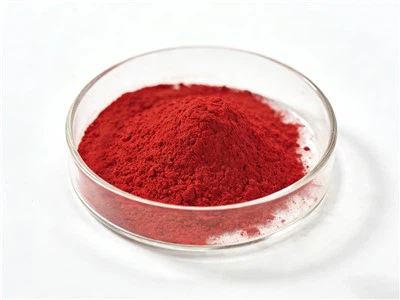
In conclusion, Liquid Reactive Dyes are generally a suitable choice for dyeing knitted fabrics. Their advantages in terms of color fastness, softness preservation, elasticity maintenance, and color variety outweigh the challenges. By addressing the potential issues such as uneven dyeing, pH and temperature control, and fabric deformation through proper pre – treatment and advanced dyeing techniques, excellent dyeing results can be achieved.
Reactive Dyes If you’re in the business of knitted fabric production and are looking for a reliable dyeing solution, I encourage you to consider our Liquid Reactive Dyes. We have a team of experts who can provide you with technical support and guidance throughout the dyeing process. Whether you’re a small – scale artisanal producer or a large – scale industrial manufacturer, we can tailor our products and services to meet your specific needs. Contact us to discuss your requirements and explore how our Liquid Reactive Dyes can enhance the quality and appearance of your knitted fabrics.
References
- "Textile Dyeing and Finishing" by Christopher C. Cooke
- "Handbook of Textile Fibre Structure" by David J. Wardman
- "Dyeing of Textiles" by R. M. Christie
Address: Room 1503, Baisheng Commercial Building, No.22 Qufu Road, Shinan District, Qingdao City, Shandong, China
E-mail: info@innodyeschem.com
WebSite: https://www.innodyeschem.com/
