If you’ve ever worked on a home renovation, automotive repair, or industrial sealing project, chances are you’ve grabbed a roll of fiberglass tape at some point. As a fiberglass tape supplier, I get asked this question more than any other: “Is fiberglass tape resistant to solvents?” It’s a fair question—solvents are everywhere in construction, manufacturing, and maintenance, from paint thinners and epoxy hardeners to cleaning agents and adhesive removers. I’ve seen projects go sideways because someone used the wrong tape for a solvent-heavy job, and I’ve also seen others last for decades thanks to a tape that held up when it mattered. Today, I want to break this down in plain, practical terms—no fancy jargon, just what I’ve learned from supplying fiberglass tape to contractors, mechanics, and plant managers over the past 12 years. Fiberglass Tape

First, let’s start with the basics of what makes fiberglass tape different from other types of tapes—like masking tape, duct tape, or even vinyl tape. At its core, fiberglass tape is made from fine, interwoven glass fibers, woven into a flexible, strong mesh, and usually coated with a resin binder or adhesive to give it shape and add functionality. That combination of glass and binder is key to its solvent resistance, but it’s not a one-size-fits-all trait. Not all fiberglass tape is made the same way, which is why answers to “is it resistant to solvents” often depend on the specific tape type, the solvent in question, and how it’s being used.
Let’s talk about the two main categories of solvents people encounter most often, because that distinction changes everything. The first is polar solvents—think water-based substances, like latex paint, water-based adhesives, or household cleaners with ammonia or mild detergents. The second is non-polar solvents, which are oil-based, like mineral spirits, acetone, epoxy resins, gasoline, diesel, and certain industrial cleaning fluids.
Polar solvents are where fiberglass tape really shines. The glass fibers themselves are chemically inert—they don’t react with water or water-based solutions because glass is made of silica, a stable compound that doesn’t break down when exposed to polar liquids. Even the binder most common in general-purpose fiberglass tape, like acrylic or polyester binders, stands up well to polar solvents. I’ve had a contractor customer tell me about using our general-purpose fiberglass mesh tape to repair drywall seams in a bathroom that gets steam and water-based cleaning sprays every day—his repair has held for 7 years, no peeling, no sagging, no signs of degradation. That’s not a fluke. Polar solvents don’t penetrate the weave of the fiberglass or break down the binder the way non-polar solvents can.
Where things get tricky is with non-polar solvents, which is where I see most of the mistakes happen. Here’s the thing: while glass is inert, many binders and coatings used on fiberglass tape are not. Non-polar solvents are designed to dissolve or break down oils, plastics, and certain resins, and that includes the polymers used to hold fiberglass tape together. For example, acetone—a common solvent for thinning epoxy or cleaning paint brushes—will break down the acrylic binder in standard general-purpose fiberglass tape if the tape is submerged or exposed to it repeatedly. I’ve had a customer come to me upset, saying he used our standard drywall fiberglass tape to mask off an engine part before spraying acetone-based parts cleaner, and by the end of the shift, the tape was falling apart, leaving gaps in his masking job. That’s not that the tape was bad—it was just the wrong tape for the solvent.
This is why, as a supplier, I always ask customers two questions before they buy: 1) what kind of solvent will the tape be exposed to? and 2) how will the exposure happen? Is it a one-time splash, constant submersion, or just occasional misting? Does the tape need to seal a joint, mask a surface, or reinforce a material? Those details change everything.
For example, if you’re working on a marine application, where fiberglass tape will be exposed to gasoline, diesel, or oil-based hull coatings, you need a high-solvent-resistant fiberglass tape. These tapes use specialty binders—usually vinyl ester or epoxy-based binders—that are formulated to resist non-polar solvents. I supply these to shipyards and marine repair shops, and a common use case is reinforcing fiberglass hull seams or patching small cracks. I recently talked to a ship’s mechanic who used our vinyl ester-coated fiberglass tape to reinforce a bilge seam that’s exposed to oil runoff every time the boat is in use. He told me it’s been two years, and the tape hasn’t softened, peeled, or lost its strength—something he tried with a standard fiberglass tape that failed within six months.
Another common application is in industrial manufacturing, where fiberglass tape is used to seal pipes or wrap around cables exposed to hydraulic fluid or chemical solvents. In these cases, customers often turn to our epoxy-impregnated fiberglass tape, which has even higher solvent resistance than vinyl ester. The epoxy binder here doesn’t just resist non-polar solvents—it also stands up to many mild acids and alkalis, which adds another layer of protection for chemical processing environments. I worked with a food manufacturing plant last year that needed to wrap conveyor belts that get sprayed with a mild caustic cleaner every night. They were using a generic rubber tape that would crack and break down within three months, so we switched them to our high-solvent-resistant fiberglass tape. They’ve been using it for 10 months now, and they haven’t had a single failure related to solvent exposure.
It’s also important to talk about what fiberglass tape is not resistant to, because that’s just as useful to know as what it is resistant to. I’ve had customers ask if fiberglass tape can be used with strong solvents like methyl ethyl ketone (MEK), toluene, or concentrated acids. The answer here is almost always no, not standard fiberglass tape. Even specialty solvent-resistant fiberglass tape will break down after prolonged exposure to these harsh, strong solvents. If you’re working with these, you need to look for tape that’s specifically designed for chemical resistance, often called chemical-resistant fiberglass cloth or tape, which has a different weave and binder that can handle those extreme solvents. As a supplier, I always make sure to be upfront about this— I’d rather a customer know upfront that our standard tape won’t work for MEK exposure than have them waste time and money on a product that fails.
Another myth I hear often is that all fiberglass tape is solvent-resistant because it’s made of glass. That’s not true. I once had a customer bring back a roll of fiberglass tape that he’d used on an epoxy project, saying the tape had become brittle and cracked after a week. When I looked at the roll, it was a cheap fiberglass tape from a big box store with a polypropylene binder. Polypropylene is a plastic that breaks down when exposed to epoxy’s hardener, which is often solvent-based. That’s the difference between cheap, generic fiberglass tape and the high-quality tapes I supply: we use binders that are tested to resist common solvents, not just ones that make the tape cheap to produce.
Testing is another part of this that I think is important to mention. When I developed my product line, I worked with a materials testing lab to test each type of fiberglass tape against common solvents. The tests include exposing the tape to the solvent for a set amount of time, checking for changes in strength, flexibility, and appearance. For example, our general-purpose fiberglass tape is tested against water, latex paint, and mild detergents, and it shows no significant degradation after 100 hours of exposure. Our vinyl ester-coated tape is tested against mineral spirits, gasoline, and acetone, and it shows no breakdown after 500 hours of exposure. That kind of testing isn’t just a sales tactic—it’s how we make sure we’re supplying a product that does what it’s supposed to do.
I also want to talk about proper use, because even the best solvent-resistant fiberglass tape can fail if it’s used incorrectly. For example, if you’re using fiberglass tape to seal a joint that will be exposed to solvents, you need to make sure the surface is clean and dry before applying the tape. Any dirt, oil, or old adhesive under the tape can create a barrier between the tape and the surface, allowing solvent to seep under the tape and break down the binder from the inside. I always tell customers to apply the tape with gentle pressure, making sure there are no bubbles or gaps in the weave, because gaps can be entry points for solvents.
Let’s circle back to why this matters for you, whether you’re a homeowner doing a small repair, a contractor working on a renovation, or a plant manager overseeing industrial work. Choosing the right tape for the solvent exposure can save you time, money, and stress. I’ve seen homeowners spend hours patching a drywall seam, only to have it peel a month later because they used the wrong tape. I’ve seen contractors miss deadlines because their masking tape broke down mid-job, delaying a paint or coating project. I’ve seen industrial workers have to shut down a production line because a seal made of the wrong tape failed, costing thousands of dollars in downtime.
As a fiberglass tape supplier, my job isn’t just to sell you a roll of tape—it’s to help you pick the right tape for your specific job. If you’re not sure what kind of solvent you’ll be exposed to, or which tape is right for your project, I encourage you to reach out. I can walk you through the different types of fiberglass tape, their solvent resistance levels, and help you pick the one that will hold up to your needs. I don’t believe in pushing a one-size-fits-all product—if a different type of tape works better for your job, I’ll tell you that, even if it means you don’t buy from me. But nine times out of ten, when someone asks about solvent resistance, fiberglass tape is the right choice—they just need to know which variant.
At the end of the day, fiberglass tape’s solvent resistance is a trait that makes it one of the most versatile tapes on the market, but it’s not universal. The key is to match the tape’s formulation to the solvent and application. Whether you’re working on a bathroom repair with water-based cleaners, a marine project with gasoline, or an industrial line with hydraulic fluid, there’s a fiberglass tape that will hold up. If you’re not sure which one that is, don’t guess—reach out, ask questions, and get the right product for your project. When you do, you’ll have a tape that will last, no matter what solvents it’s exposed to.
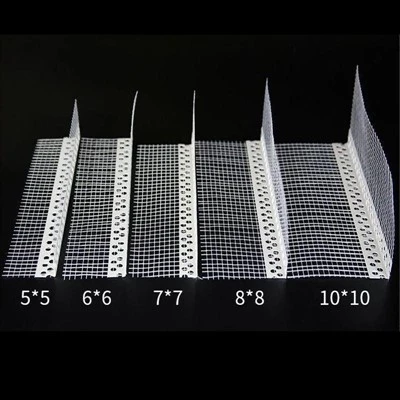
If you’re ready to source fiberglass tape for your next project, or have questions about which type is best for your solvent exposure needs, don’t hesitate to connect with my team for a purchasing consultation. We’re here to help you get the right product for the job, and we’re happy to walk you through all the options, no matter how big or small your project is.
Fiberglass Tape References
- Harper, C.A. (Ed.). Handbook of Fiberglass and Advanced Plastics Composites. McGraw-Hill.
- Brandrup, J., Immergut, E.H., & Grulke, E.A. (2003). Polymer Handbook (4th ed.). Wiley-Interscience.
- American Society for Testing and Materials (ASTM). ASTM D543-21: Standard Practice for Evaluating the Resistance of Plastics to Chemical Reagents. ASTM International.
- Naval Sea Systems Command. (2019). Marine Fiberglass Repair and Maintenance Manual. U.S. Department of the Navy.
- Construction Specifications Institute (CSI). (2020). Drywall and Gypsum Board Construction Manual. CSI.
Danyang Yonggu Building Materials Co., Ltd.
Danyang Yonggu Building Materials Co., Ltd. is one of the most professional fiberglass tape manufacturers and suppliers in China, featured by quality products and good price. Please rest assured to wholesale customized fiberglass tape made in China here from our factory.
Address: Danyang City, Jiangsu Province, P.R. China
E-mail: sales02@cnyongu.com
WebSite: https://www.ygfiberglass.com/
