Installing a gasket in a gas cylinder flange is a crucial process that requires precision and knowledge. As a Gas Cylinder Flange supplier, I’ve seen firsthand the importance of proper gasket installation for the safety and performance of gas cylinders. In this blog, I’ll guide you through the step – by – step process of installing a gasket in a gas cylinder flange, sharing professional insights and practical tips along the way. Gas Cylinder Flange

Understanding the Importance of a Gasket in a Gas Cylinder Flange
Before we dive into the installation process, let’s understand why a gasket is so important. A gasket serves as a seal between two mating surfaces, in this case, the gas cylinder and the flange. Its primary function is to prevent the leakage of gas, ensuring the safety of the users and the integrity of the gas storage system. A well – installed gasket can also improve the efficiency of the system by maintaining the pressure and preventing any loss of gas.
Selecting the Right Gasket
The first step in the installation process is to select the right gasket for your gas cylinder flange. There are several factors to consider:
- Material: Different gases require different gasket materials. For example, if you’re dealing with oxygen, you need a gasket material that is non – combustible and compatible with oxygen. Commonly used materials include rubber, cork, neoprene, and PTFE (polytetrafluoroethylene).
- Size: The gasket must be the correct size to fit the flange. Measure the inner and outer diameters of the flange accurately to ensure a proper fit. A gasket that is too small or too large can lead to leakage.
- Pressure and Temperature Rating: Consider the pressure and temperature conditions that the gas cylinder will be exposed to. The gasket should be able to withstand these conditions without deteriorating.
Preparing for Installation
Once you have selected the right gasket, it’s time to prepare for the installation.
- Clean the Flange Surfaces: Use a clean cloth and a suitable solvent to clean the mating surfaces of the flange. Remove any dirt, grease, rust, or debris. A clean surface is essential for a good seal. Make sure to dry the surfaces thoroughly after cleaning.
- Inspect the Flange: Check the flange for any signs of damage, such as cracks, warping, or pitting. If there is any damage, the flange may need to be repaired or replaced before installing the gasket.
- Gather the Necessary Tools: You’ll need a few basic tools for the installation, such as a torque wrench, a gasket scraper (if removing an old gasket), and a clean brush.
Installing the Gasket
Now, let’s get to the actual installation process:
- Place the Gasket: Carefully place the gasket on one of the flange surfaces, making sure it is centered and aligned properly. If the gasket has an orientation (such as a marked side), follow the manufacturer’s instructions.
- Align the Flanges: Bring the two flange halves together, ensuring that the gasket remains in place. Use bolts and nuts to loosely assemble the flanges. Don’t tighten the bolts yet; just make them finger – tight.
- Tighten the Bolts: Using a torque wrench, tighten the bolts in a cross – pattern. This helps to distribute the pressure evenly across the gasket. Refer to the manufacturer’s specifications for the correct torque value. Over – tightening can damage the gasket, while under – tightening can result in leakage. Start with a low torque and gradually increase it in steps.
- Check for Alignment and Leakage: After tightening the bolts, check the alignment of the flanges again. Then, perform a leak test. You can use a soap – water solution and apply it to the flange joints. If there are any bubbles, it indicates a leak, and you may need to re – tighten the bolts or replace the gasket.
Post – Installation Checks
After the installation is complete, it’s important to perform some post – installation checks:
- Visual Inspection: Inspect the flange and the gasket for any visible signs of damage or misalignment. Make sure the gasket is properly seated and there are no gaps.
- Pressure Test: If possible, conduct a pressure test on the gas cylinder system. Monitor the pressure over a period of time to ensure there are no leaks.
- Documentation: Keep a record of the gasket installation, including the date, the type of gasket used, and the torque values applied. This documentation can be useful for maintenance and safety audits.
Troubleshooting Common Installation Issues
Even with careful installation, you may encounter some issues:
- Leakage: If there is a leak, first check the tightness of the bolts. If the bolts are properly tightened, the gasket may be damaged or incorrectly installed. In such cases, remove the gasket, clean the surfaces, and install a new gasket.
- Gasket Deformation: If the gasket is deformed during installation, it may be due to over – tightening or improper alignment. In this case, remove the deformed gasket and install a new one, making sure to follow the correct installation procedures.
- Bolt Loosening: Over time, the bolts may loosen due to vibration or thermal expansion. Regularly check the tightness of the bolts and retighten them if necessary.
Importance of Professional Installation
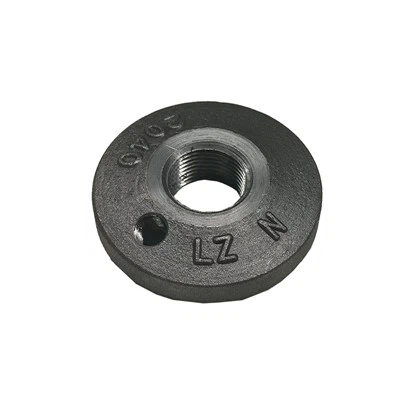
While it’s possible to install a gasket in a gas cylinder flange on your own, it’s highly recommended to have a professional perform the installation, especially if you’re dealing with high – pressure or hazardous gases. Professionals have the necessary skills, experience, and tools to ensure a safe and proper installation.
Conclusion
Gas Cylinder Stove And Accessory Installing a gasket in a gas cylinder flange is a critical process that requires attention to detail and proper techniques. By selecting the right gasket, preparing the surfaces, and following the correct installation steps, you can ensure the safety and performance of your gas cylinder system. As a Gas Cylinder Flange supplier, we are committed to providing high – quality products and professional advice. If you have any questions about gasket installation or need to purchase gas cylinder flanges and gaskets, feel free to reach out to us. We are here to assist you in making the right choices for your gas storage needs.
References
- ASME Boiler and Pressure Vessel Code, Section VIII, Division 1
- National Fire Protection Association (NFPA) Standards for Gas Storage and Handling
- Manufacturer’s Instructions for Gas Cylinder Flanges and Gaskets
Shanghai Luzhen SCM Co., Ltd.
As one of the most professional gas cylinder flange manufacturers and suppliers in China, we’re featured by quality products and good price. Please rest assured to buy bulk discount gas cylinder flange from our factory. We also accept customized orders.
Address:
E-mail: bao@lu-chain.com
WebSite: https://www.lu-chain.com/
