Can multi – unit abutments be used in patients with a high smile line?
As a supplier of multi – unit abutments, I’ve been deeply involved in the dental industry, constantly exploring the applications and limitations of our products. One question that often arises in dental discussions is whether multi – unit abutments can be effectively used in patients with a high smile line. In this blog, I’ll delve into this topic from multiple aspects, including the characteristics of high smile lines, the properties of multi – unit abutments, and the feasibility and considerations of their combined use. Multi-unit Abutments

Understanding High Smile Lines
A high smile line is a dental aesthetic concept. When a patient smiles, a significant portion of the gingiva is exposed, sometimes up to 4 – 6 mm or more. This condition can have various causes, such as short upper lip length, hyperactive lip elevator muscles, or abnormal tooth – gingival relationships.
From an aesthetic perspective, a high smile line challenges creating a natural and harmonious dental appearance. In traditional dental restorations, the visibility of artificial components can be a major drawback, as patients with high smile lines are more likely to expose the transition areas between teeth and restorations. Therefore, when it comes to restorative dentistry for these patients, aesthetics plays a crucial role. Any restoration should blend seamlessly with the surrounding natural dentition and gingival tissues to avoid an artificial look.
Multi – unit Abutments: An Overview
Multi – unit abutments are essential components in implant – supported dental restorations. They are designed to connect multiple dental implants to a single superstructure, providing a stable and efficient solution for patients who have lost multiple adjacent teeth.
One of the key advantages of multi – unit abutments is their ability to distribute occlusal forces evenly across multiple implants. This helps to reduce the stress on individual implants, increasing the long – term success rate of the implant restoration. They also offer flexibility in terms of design. With different types of connection systems and angles available, multi – unit abutments can be customized to fit various clinical situations, including different implant positions and angulations.
In terms of material, multi – unit abutments are commonly made of titanium or zirconia. Titanium is known for its excellent strength and biocompatibility, while zirconia offers better aesthetics due to its tooth – like color and translucency.
Feasibility of Using Multi – unit Abutments in Patients with High Smile Lines
The use of multi – unit abutments in patients with high smile lines is indeed feasible, but it comes with both opportunities and challenges.
Aesthetic Opportunities
- Zirconia Aesthetics: As mentioned earlier, zirconia multi – unit abutments can be a game – changer in aesthetics. Their natural tooth color can mimic the appearance of natural teeth, making them less visible even when a patient has a high smile line. This helps to create a more seamless and natural – looking restoration.
- Customization for Aesthetics: With advanced digital dentistry technologies, multi – unit abutments can be precisely customized. The shape, contour, and color of the abutments can be adjusted to match the surrounding teeth and gingival tissues, ensuring that the restoration blends in well even under the scrutiny of a high smile.
Challenges
- Gingival Response: The presence of multi – unit abutments in the high – smile area can potentially affect the gingival tissue. If the abutment design is not optimized, it may cause irritation or inflammation of the gingiva, leading to an unaesthetic appearance. For example, a rough surface or an improper contour of the abutment can disrupt the normal gingival attachment.
- Visibility of the Connection: In some cases, the connection between the multi – unit abutment and the implant or the superstructure may be visible when the patient smiles. This can be a significant aesthetic concern, as it can make the restoration look artificial.
Considerations for Using Multi – unit Abutments in High – Smile Patients
To ensure the successful use of multi – unit abutments in patients with high smile lines, several considerations need to be taken into account.
Pre – operative Planning
- Comprehensive Assessment: A detailed pre – operative assessment is essential. This includes evaluating the patient’s smile line, gingival condition, bone quality, and the position of the existing teeth and implants. By using diagnostic tools such as intra – oral scanners and cone – beam computed tomography (CBCT), dentists can accurately plan the placement of multi – unit abutments and predict the aesthetic outcome.
- Patient Communication: It is crucial to communicate with the patient about the expected results and limitations of using multi – unit abutments. Patients with high smile lines often have high aesthetic expectations, and realistic communication can help manage these expectations and avoid potential dissatisfaction.
Abutment Selection and Design
- Material Choice: Based on the patient’s aesthetic needs and the clinical situation, the appropriate material for the multi – unit abutment should be selected. As discussed, zirconia is often preferred for its aesthetic advantages in high – smile cases.
- Contour Design: The contour of the multi – unit abutment should be carefully designed to mimic the natural tooth and gingival architecture. It should have a smooth transition from the implant to the superstructure, and the shape should be in harmony with the surrounding teeth.
Surgical and Prosthetic Procedures
- Precise Implant Placement: During the implant placement surgery, precision is key. The implants should be placed in the correct position and angulation to ensure that the multi – unit abutments can be connected with optimal alignment. This helps to minimize the visibility of the connection and improve the overall aesthetic result.
- Prosthetic Fit: In the prosthetic phase, a proper fit of the superstructure on the multi – unit abutments is essential. Any misfit can cause stress concentration, affect the gingival health, and compromise the aesthetics.
Conclusion
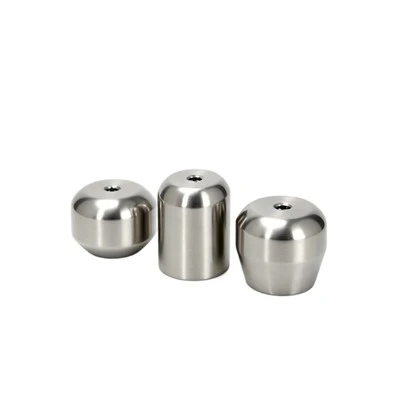
In conclusion, multi – unit abutments can be used in patients with high smile lines, but it requires careful planning, appropriate material selection, and precise execution of surgical and prosthetic procedures. As a supplier of multi – unit abutments, we are committed to providing high – quality products and supporting dental professionals in achieving successful outcomes for their patients. Our products are designed to meet the aesthetic and functional requirements in challenging cases, including those involving high smile lines.
Dental Accessories If you are a dental professional interested in exploring the use of our multi – unit abutments in your practice, especially for patients with high smile lines, we invite you to contact us for further discussion and procurement. We are eager to work with you to provide the best solutions for your patients’ dental restoration needs.
References
- Firestone, A. R. (2017). Aesthetic and Functional Considerations in Implant Dentistry. Quintessence Publishing.
- Misch, C. E. (2018). Contemporary Implant Dentistry. Mosby.
- Tarnow, D. P., & Cho, S. C. (2019). The Effect of Implant Position on the Esthetic Outcome of Single – Tooth Implants. Journal of Periodontology, 90(1), 1 – 10.
Dongguan Denreal Devices Co., Ltd.
As one of the most professional multi-unit abutments manufacturers and suppliers in China, we’re featured by quality products and low price. Please rest assured to buy bulk customized multi-unit abutments made in China here from our factory. For free sample, contact us now.
Address: NO.622, Baoshi Road, Qishi town, Dongguan, Guangdong, China
E-mail: Chason.Yeh@Gmail.com
WebSite: https://www.denreal.com/
