When it comes to ensuring the reliability and performance of transformers, a transformer tester is an indispensable tool. As a seasoned supplier of transformer testers, I understand the critical role that power supply requirements play in the proper functioning of these devices. In this blog post, I will delve into the power supply requirements for a transformer tester, exploring the factors that influence them and the implications for users. Transformer Tester
Understanding the Basics of Transformer Tester Power Supply
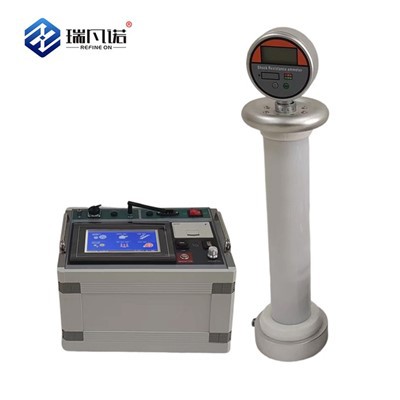
A transformer tester is a complex electrical device designed to measure various parameters of transformers, such as turns ratio, winding resistance, and insulation resistance. These measurements are crucial for assessing the health and performance of transformers, ensuring their safe and efficient operation. To perform these measurements accurately, a transformer tester requires a stable and appropriate power supply.
The power supply requirements for a transformer tester typically depend on several factors, including the type and size of the tester, the measurement functions it offers, and the environmental conditions in which it will be used. In general, transformer testers can be powered by either an AC or DC power source, depending on their design and intended application.
AC Power Supply Requirements
Many transformer testers are designed to be powered by an AC power source, typically from a standard electrical outlet. AC power is widely available and convenient to use, making it a popular choice for transformer testers used in laboratory and industrial settings. When using an AC power supply, it is important to ensure that the voltage and frequency of the power source match the requirements of the tester.
Most transformer testers are designed to operate within a specific voltage range, typically between 100V and 240V AC. It is important to check the voltage rating of the tester before connecting it to an AC power source to avoid damage to the device. Additionally, the frequency of the AC power source should match the frequency specified by the tester, usually 50Hz or 60Hz.
In some cases, transformer testers may require a stable and clean AC power supply to ensure accurate measurements. This is especially important for testers that use sensitive electronic components or perform high-precision measurements. To achieve a stable and clean power supply, it may be necessary to use a voltage regulator or an uninterruptible power supply (UPS).
DC Power Supply Requirements
Some transformer testers are designed to be powered by a DC power source, such as a battery or a DC power supply. DC power is often preferred for portable transformer testers used in field applications, as it provides greater flexibility and mobility. When using a DC power supply, it is important to ensure that the voltage and current ratings of the power source match the requirements of the tester.
The voltage rating of a DC power supply for a transformer tester typically depends on the design and specifications of the tester. Most portable transformer testers are designed to operate within a voltage range of 12V to 24V DC. It is important to check the voltage rating of the tester before connecting it to a DC power supply to avoid damage to the device.
In addition to the voltage rating, the current rating of the DC power supply is also an important consideration. The current rating of the power supply should be sufficient to meet the power requirements of the tester, especially during high-power measurement operations. It is important to check the current rating of the tester and the power supply to ensure that they are compatible.
Power Consumption and Efficiency
Another important factor to consider when evaluating the power supply requirements for a transformer tester is its power consumption and efficiency. Power consumption refers to the amount of electrical energy consumed by the tester during operation, while efficiency refers to the ratio of the useful output power to the input power.
Transformer testers with high power consumption may require a larger and more powerful power supply, which can increase the cost and complexity of the testing setup. On the other hand, testers with high efficiency can reduce the power consumption and operating costs, making them more environmentally friendly and cost-effective.
As a supplier of transformer testers, I offer a range of products with different power consumption and efficiency ratings to meet the diverse needs of our customers. Our testers are designed to provide accurate and reliable measurements while minimizing power consumption and operating costs.
Environmental Considerations
In addition to the electrical requirements, the power supply for a transformer tester may also be affected by environmental factors, such as temperature, humidity, and altitude. Extreme temperatures can affect the performance and reliability of electronic components, while high humidity can cause corrosion and damage to the device.
At high altitudes, the air pressure is lower, which can affect the performance of cooling fans and other heat dissipation mechanisms in the tester. It is important to consider these environmental factors when selecting a power supply for a transformer tester and to ensure that the device is designed to operate within the specified environmental conditions.
Implications for Users
Understanding the power supply requirements for a transformer tester is essential for users to ensure the proper functioning and reliability of the device. By selecting the appropriate power supply and ensuring its compatibility with the tester, users can avoid damage to the device and ensure accurate and reliable measurements.
In addition, users should also consider the power consumption and efficiency of the tester to minimize operating costs and reduce their environmental impact. By choosing a tester with high efficiency, users can save energy and money while contributing to a more sustainable future.
Conclusion
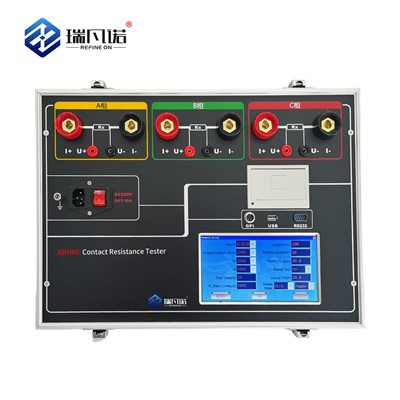
As a supplier of transformer testers, I understand the importance of providing our customers with reliable and accurate testing equipment. By understanding the power supply requirements for a transformer tester, users can ensure the proper functioning and reliability of the device, while also minimizing operating costs and reducing their environmental impact.
Transformer Oil Tester If you are in the market for a transformer tester, I encourage you to contact us to learn more about our products and services. Our team of experts can help you select the right tester for your needs and provide you with the support and guidance you need to ensure successful testing operations.
References
- Electrical Engineering Handbook, Third Edition, edited by Richard C. Dorf
- Power Electronics: Converters, Applications, and Design, Third Edition, by Ned Mohan, Tore M. Undeland, and William P. Robbins
- Transformer Testing Handbook, by A. K. Sachdev
Refine On (Hebei) Electric Power Technology Co., Ltd.
Refine On (Hebei) Electric Power Technology Co., Ltd. is one of the most reliable transformer tester manufacturers and suppliers in China, also supports customized service. Please feel free to wholesale advanced transformer tester at competitive price from our factory. Contact us for quotation.
Address: Building 13, Liandong U Valley, No.64, Jing SAN South Street, Economic Development Zone, Mancheng District, Baoding City, China
E-mail: victor@transformer-test.com
WebSite: https://www.transformer-test.com/
