Chia seeds, those tiny powerhouses packed with nutrients, have been a staple in my business as a chia seeds supplier. Their popularity has soared in recent years, primarily in the health – food market, thanks to their high fiber, omega – 3 fatty acid, and protein content. But a question that often arises in my interactions with customers, health enthusiasts, and even some traditional medicine practitioners is: Can chia seeds be used in traditional medicine? Chia Seeds

Historical Use of Chia Seeds in Traditional Medicine
To understand the potential role of chia seeds in traditional medicine, we need to look back into history. Chia seeds have a rich heritage, originating from Central America, where they were a significant part of the diets of ancient civilizations like the Aztecs and Mayans. These cultures didn’t just consume chia seeds for sustenance; they also recognized their medicinal properties.
The Aztecs, for instance, used chia seeds to boost energy during long – distance running and warfare. In their traditional view, chia seeds had the ability to provide a quick and sustained source of energy, allowing warriors to march long distances without fatigue. The Mayans, on the other hand, used chia seeds as a general health tonic. They believed that consuming chia seeds could strengthen the body and improve overall well – being.
Current Scientific Understanding of Chia Seeds’ Health Benefits
Modern science has begun to catch up with what these ancient civilizations knew intuitively. Chia seeds are an excellent source of dietary fiber. A single ounce of chia seeds contains about 11 grams of fiber, which is a substantial portion of the recommended daily intake. This high fiber content can aid in digestion. It adds bulk to the stool, preventing constipation and promoting regular bowel movements. Moreover, soluble fiber in chia seeds can form a gel – like substance in the digestive tract, which helps to slow down digestion and keep you feeling full for longer. This property makes chia seeds a valuable addition to weight – management diets.
In terms of heart health, chia seeds are a great source of alpha – linolenic acid (ALA), an omega – 3 fatty acid. Omega – 3 fatty acids are known to reduce inflammation in the body, lower triglyceride levels, and decrease the risk of blood clots. By incorporating chia seeds into the diet, individuals can potentially improve their lipid profile and lower their risk of heart disease.
Chia seeds also contain a variety of antioxidants, including caffeic acid, chlorogenic acid, and quercetin. Antioxidants play a crucial role in protecting the body’s cells from damage caused by free radicals. Free radicals are unstable molecules that can cause oxidative stress, leading to various chronic diseases such as cancer, diabetes, and Alzheimer’s disease. The antioxidants in chia seeds help to neutralize these free radicals, reducing the risk of such diseases.
Chia Seeds in Contemporary Traditional Medicine Practices
In today’s world, traditional medicine systems are constantly evolving, incorporating new scientific findings and adapting traditional remedies. Chia seeds are starting to find their way into some contemporary traditional medicine practices.
In Ayurveda, the ancient Indian system of medicine, the concept of balancing the three doshas (Vata, Pitta, and Kapha) is central. Chia seeds, with their cooling properties, can be beneficial for those with a Pitta dosha imbalance. Pitta is associated with fire and heat in the body, and an excess of Pitta can lead to issues such as inflammation, anger, and digestive problems. Consuming chia seeds can help to cool the body and balance the Pitta dosha.
In traditional Chinese medicine (TCM), chia seeds can be seen in the context of the five – element theory. Although chia seeds are not native to China, they can be considered to have properties similar to some traditional herbs. Their high water – absorbing capacity can be related to the water element in TCM, which is associated with nourishment and lubrication of the body. This can be useful in treating conditions related to dryness, such as dry skin, dry eyes, or dry throat.
Challenges and Considerations in Using Chia Seeds in Traditional Medicine
While chia seeds offer numerous potential benefits in traditional medicine, there are also some challenges and considerations. One of the main concerns is the quality and purity of chia seeds. As a chia seeds supplier, I am well – aware of the importance of providing high – quality products. Contaminated chia seeds, for example, those containing pesticides, heavy metals, or mold, can pose health risks rather than benefits.
Another consideration is the dosage. In traditional medicine, the right dosage is crucial for achieving the desired therapeutic effect. There is currently a lack of standardized dosage guidelines for using chia seeds in traditional medicine. Different traditional medicine systems may have different recommendations, and more research is needed to establish evidence – based dosages.
Allergies are also a concern. Although chia seed allergies are relatively rare, they can occur. Traditional medicine practitioners need to be aware of this possibility and take appropriate precautions when recommending chia seeds to patients.
My Experience as a Chia Seeds Supplier in the Context of Traditional Medicine
Over the years, I have received many inquiries from traditional medicine practitioners and herbalists interested in using chia seeds in their remedies. Some have experimented with incorporating chia seeds into herbal teas, tonics, and topical applications. For example, a herbalist might add chia seeds to a digestive tea to enhance its fiber content and improve its effectiveness in relieving constipation.
I have also noticed an increasing demand from consumers who are interested in using chia seeds for traditional medicine – inspired home remedies. This has encouraged me to educate my customers about the proper use and storage of chia seeds. I provide information on how to select high – quality chia seeds, how to prepare them for different applications, and what potential side effects to watch out for.
Conclusion and Call to Action
In conclusion, chia seeds have a long – standing history of use in traditional medicine, and modern science has begun to validate many of the health benefits associated with them. They have the potential to be integrated into contemporary traditional medicine practices, offering new solutions for various health conditions.
As a chia seeds supplier, I am committed to providing high – quality chia seeds that can be used safely and effectively in traditional medicine. Whether you are a traditional medicine practitioner looking to incorporate chia seeds into your remedies, or a health – conscious individual interested in trying out traditional medicine – inspired home remedies, I am here to support you.
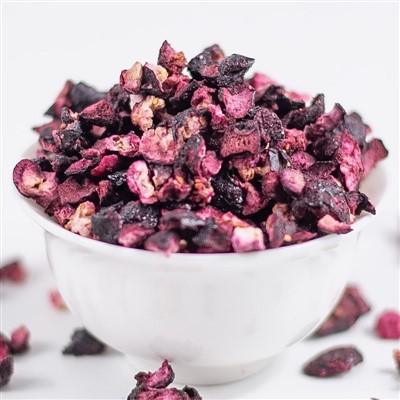
Freeze Dried Strawberry If you are interested in learning more about our chia seeds or would like to discuss potential procurement opportunities, please reach out. I am more than happy to have a conversation and explore how we can work together to bring the benefits of chia seeds to a wider audience.
References
- National Institutes of Health Office of Dietary Supplements. "Omega – 3 Fatty Acids: Fact Sheet for Health Professionals."
- Harvard T.H. Chan School of Public Health. "Fiber."
- Journal of Medicinal Food. Various articles on the health benefits of chia seeds.
Anhui Yicheng Import & Export Co., Ltd.
We’re well-known as one of the leading chia seeds manufacturers and suppliers in China, specialized in providing high quality customized products. We warmly welcome you to wholesale bulk cheap chia seeds from our factory. For free sample, contact us now.
Address: Room 301, Building 36, Changhong Century Rongting, Yaohai District, Hefei City, Anhui Province China
E-mail: shirley@yichengah.com
WebSite: https://www.yichengnuts.com/
