If you’ve ever stood in a chemical plant control room, a food processing facility, or even a laundry mat loading detergent drums, chances are good you’re surrounded by the quiet workhorses of industrial chemistry: inorganic bases. As someone who’s been in the inorganic acids & bases supply game for over a decade—chasing truck deliveries at 2 a.m. when a metal plating plant runs out of lye, troubleshooting a batch of faulty soda ash for a glassmaker, and talking lab techs through diluting ammonia without blowing up their fume hoods—I can tell you these aren’t just boring white solids or clear liquids sitting on a shelf. They’re the unsung heroes that keep almost every major industrial sector moving, and if you’ve ever wondered how stuff gets made on a big scale, it’s almost always tied to one of these bases. Inorganic Acids & Bases
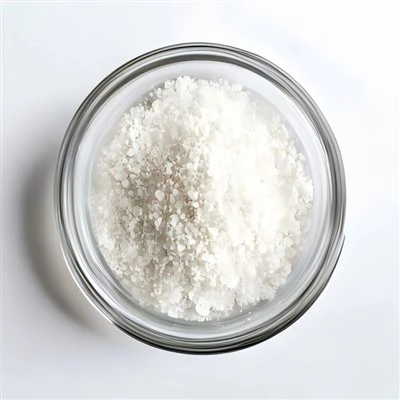
First off, let’s get one thing straight: inorganic bases aren’t the same as the liquid drain cleaner you grab from the grocery store (though that’s technically sodium hydroxide, too—just a diluted, consumer-grade version). For industrial use, we’re talking about strong ones like sodium hydroxide (caustic soda, or lye to the crew), potassium hydroxide, calcium hydroxide (slaked lime), and ammonia, along with milder ones like sodium carbonate (soda ash) and sodium bicarbonate (baking soda, but not the tiny grocery bag kind). Each has a niche, and we’ve had clients call us at 3 a.m. for every single one of them.
Let’s start with the heavy hitter: caustic soda (NaOH). If you ask any pulp and paper mill what their most important chemical is, they’ll say caustic soda, hands down. Here’s how that works: wood pulp is made by stripping lignin—this tough, glue-like stuff that holds wood fibers together—from raw wood chips. The classic Kraft pulping process uses a mix of caustic soda and sodium sulfide to cook the chips in huge pressurized digesters for hours. The caustic breaks down lignin without eating away too much of the cellulose fibers that make paper strong. I remember one client in the Pacific Northwest a few years back who had a digester valve clog at 1 a.m. They needed 5,000 gallons of 50% Na STAT to get the line flowing again, or they’d lose a whole shift and thousands in pulp stock. We jumped a tanker over, and they were back up and running by sunrise. That’s the kind of stuff we live for.
But caustic soda doesn’t stop at paper. It’s also the backbone of aluminum production, specifically the Bayer process. Bauxite ore, which is where we get most aluminum, is a mix of aluminum oxide and a bunch of impurities like iron and silica. The Bayer process cranks up the heat and pressure, mixes bauxite with concentrated caustic soda, and dissolves the aluminum oxide into a sodium aluminate solution, leaving the solid gunk (called red mud) behind to be filtered out. Then you cool that solution, add seed crystals, and pure aluminum hydroxide precipitates out—bake that, and you get alumina, which is smelted into aluminum. I once visited an aluminum plant in Kentucky, and they told me 70% of their operating costs go to chemicals, and half of that is caustic soda. Makes sense when you see how much they use.
Next up, slaked lime (calcium hydroxide, Ca(OH)₂) or quicklime (CaO, its less hydrated cousin). This stuff is everywhere you have to move around heavy metals, sewage, or even drinking water. Water treatment plants are huge lime users. If you’ve ever turned on your tap and didn’t get a face full of muddy river water, thank lime. Lime neutralizes acidic water that would corrode pipes, and it binds to heavy metals like lead, cadmium, and arsenic so they can be filtered out instead of ending up in your drinking supply. We had a municipal water client in Florida a few years back dealing with naturally high levels of fluoride in their groundwater. They switched to using our high-purity lime to precipitate fluoride as calcium fluoride, which is way cheaper than ion exchange resins or reverse osmosis for that scale. They saved like $200k a year, and their residents still call their water “smooth” instead of “metallic.”
Lime also is the backbone of the steel industry. Steel mills generate tons of acidic waste gases from burning coal and smelting iron ore. If you just pump that stuff into the air, you get acid rain. So steel mills spray lime slurry into their smokestack scrubbers: the lime neutralizes the sulfur dioxide and nitrogen oxides, turning them into solid gypsum or other salts that can be collected and disposed of safely. Plus, lime is used in the blast furnaces themselves to react with impurities like silica in iron ore, turning them into slag that floats on top of the molten steel and can be tapped off. We supply lime to a big Midwest steel maker, and they go through 100 tons of it an hour during peak production. That’s not a small amount of white powder.
Now let’s talk about something a lot of people don’t realize industrial bases are key for: food and beverage production. I know, you think food is made with natural stuff, but take beer for example. Breweries use potassium hydroxide (KOH) to adjust the pH of their mashing process. If the water’s too acidic, it can ruin the malt flavors, make the beer taste sour or skunky. KOH is perfect here because it’s a strong base but it doesn’t leave a weird aftertaste (unlike some other bases). We also supply sodium hydroxide to vegetable oil refiners. Raw vegetable oil has free fatty acids that make it taste bitter and go rancid fast. The refining process uses caustic soda to neutralize those acids, turning them into soap-like compounds that are washed away. That’s why the cooking oil you buy on the shelf is clear and tastes neutral—caustic soda did that. I’ve talked to a snack food maker last year that had a batch of canola oil go bad because they ran out of refined caustic; they had to pull 500,000 pounds of chips off the line, so you can bet they now keep a 6-month supply of our NaOH in their warehouse.
Then there’s ammonia (NH₃), which is a whole different breed of inorganic base. Yeah, it’s in cleaning supplies, but industrial ammonia is 99.9% pure and is the building block for almost all nitrogen-based fertilizers. Wait, how does ammonia fit here? It’s a weak inorganic base, right? The Haber-Bosch process makes ammonia from nitrogen in the air and hydrogen from natural gas, and almost all of that ammonia goes straight into making urea, ammonium nitrate, and other fertilizers that feed like half the world’s population. Without ammonia, we wouldn’t have enough food to feed 8 billion people. That’s a big deal. Ammonia also is used in refrigeration systems for warehouses and grocery stores—it’s way more energy-efficient and less toxic than some synthetic refrigerants. I remember a client that runs a cold storage facility for ice cream in Texas; they switched to ammonia-based cooling a few years back and cut their energy bills by 35%. That’s huge for a place that needs to keep 10 million gallons of ice cream frozen year-round.
Wait, I can’t forget soda ash (sodium carbonate, Na₂CO₃), which is a milder base than caustic soda. Glass manufacturing is 50% of soda ash demand, I think? Glass is made from silica sand, soda ash, and limestone, melted together in huge furnaces at like 2,700°F. Soda ash lowers the melting point of silica, so you don’t have to heat the sand to crazy temperatures, which saves a ton of energy. We supply soda ash to a big glass container maker that bottles soda, beer, and wine; they told me they use 2 million tons of soda ash a year to make those bottles. That’s a lot of glass, and they’d be dead in the water without a steady supply of our product. Soda ash is also used in laundry detergents, as a water softener to keep the detergent working even in hard water (which has lots of calcium and magnesium ions that would otherwise bind to detergent and make it not clean). So when you do laundry and the detergent works even if your tap is hard, soda ash is doing some of that heavy lifting.
Now, before I wrap this up, I need to be real with you: supplying inorganic bases isn’t just dropping off drums at a plant. You have to get the grade right. A brewery doesn’t need the same grade of caustic as a pulp mill. We test every batch we ship, because one bad batch of base can mess up a whole process, cost a client millions in lost product, or even be dangerous. I’ve seen caustic soda that was too dilute cause a pulp mill’s digester to run too slow, making weak paper that got rejected by their customers. Or lime that had too many impurities make water treatment sludge that had to be hauled away as hazardous waste, which costs a fortune. That’s why clients come back to us—we don’t just sell chemicals; we know what they need, and we can get it to them when they need it, even at 2 a.m.
If you’re a plant manager at a pulp mill, a brewer, a steel maker, a water treatment facility, or anyone that needs a steady, reliable supply of high-grade inorganic acids and bases, we’re your guys. We’ve got the experience, the supply chain, and the people that show up when you need it. Whether you need a small drum of KOH for a pilot lab or a tanker truck load of caustic soda for a full production run, we’ve got you covered. Give us a shout to chat through your needs, tell us what grade you require, and we’ll get you a quote fast. No runaround, no hidden fees, just good solid chemical supply for your business.
Functional Intermediates & Specialty Chemicals References
- Kirk-Othmer Encyclopedia of Chemical Technology, 5th Edition. John Wiley & Sons, 2007.
- Ullmann’s Encyclopedia of Industrial Chemistry, 7th Edition. Wiley-VCH, 2007.
- “Industrial Applications of Caustic Soda.” American Chemistry Council, 2022.
- “Lime in Water Treatment and Environmental Applications.” National Lime Association, 2021.
- “Ammonia for Industrial and Agricultural Use.” International Fertilizer Association, 2020.
- “Soda Ash in Glass Manufacturing.” Glass Packaging Institute, 2019.
Shanghai Dingwujin Chemical Co., Ltd.
Shanghai Dingwujin Chemical Co., Ltd. is one of the most professional inorganic acids & bases suppliers in China. We cooperate with qualified Chinese manufacturers and provide high quality customized service. With over a decade of experience in local chemical trade, we have long been deeply engaged in the markets of EU Central & Eastern Europe, the Western Balkans, Ukraine and Moldova. Welcome to buy bulk high quality inorganic acids & bases made in China here from our company.
Address: No. 12, Lane 199, Yefan Road, Yexie Town, Songjiang District, Shanghai, P.R.China
E-mail: dwjchem@dwjchem.com
WebSite: https://www.7dchem.com/
