Hey there! If you’re deep into manufacturing, you’ve probably run into that tiny, panic-inducing blip on your molding main unit’s screen when it cuts out mid-cycle. You stare at the error code, racking your brain—was that a red light last time, or was it yellow? Wait, is E02 the jam one, or is that E05? As a molding main unit supplier, I deal with this stuff every single day, and let’s be real: half the time, factory floor folks are just winging it because they don’t have a clear breakdown of what those codes actually mean. No fluff, no corporate jargon, just the straight talk on what those error codes are trying to tell you. Molding Main Unit
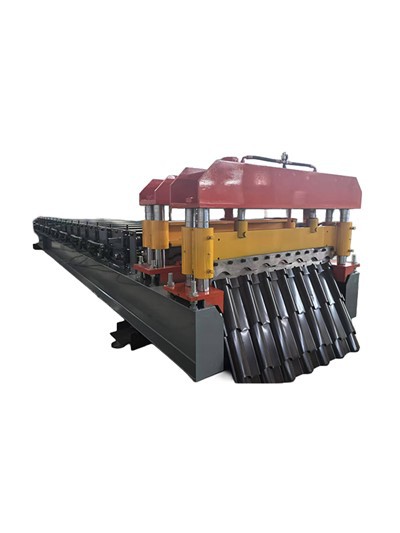
First off, let’s get one thing straight: molding main units (you know, the workhorses that inject plastic into molds, cool it, and eject the part) are packed with sensors, motors, and hydraulic parts that throw codes when something’s off. These aren’t arbitrary—each code is a short-handed note from the unit’s brain, telling you exactly which part’s gone rogue. I see customers panick and call at 2 a.m. because their machine showed E01, thinking it’s a total write-off, when it’s just a clogged sensor filter. That’s the kind of mix-up I want to clear up right now.
Let’s start with the most common codes, the ones that pop up at least once a week on my service calls. E01 is the “I can’t feel the mold” code. Wait, no—more accurately, E01 is mold position error. Here’s why: when the molding main unit closes the mold, it needs a specific pressure and a set position to clamp down tight. If the limit switch that tracks the mold’s position gets gunked up with plastic dust (super common in shops that run ABS all day), or if the hydraulic pressure’s too low, the unit can’t confirm the mold’s fully closed. A lot of folks try to muscle the mold shut and hit “reset,” but that just strains the motor—you’re better off pulling the side panel, wiping the limit switch contacts with a dry cloth, and checking if the hydraulic line’s got a kink. I had a customer last month who skipped that, burned out a $1,200 motor, all because he ignored E01 for 10 minutes. Don’t be that guy.
Next up, E02: the plastic is being a diva code. That’s barrel temperature error. Molding main units heat plastic pellets to a precise temp—too low, and the plastic doesn’t flow right, leading to lumpy parts; too high, and it degrades, releasing fumes and clogging the nozzle. E02 usually means one of the heating bands on the barrel went out. Old units sometimes have loose connections, but newer ones might have a faulty thermocouple. I’ve seen folks test the heating band with a multimeter, but even easier: if the screen says “set temp 450°F, actual temp 320°F,” swap the thermocouple first—9 times out of 10 that fixes it. I stock thermocouples for every major molding unit brand, so if your E02 won’t budge, just reach out.
E05 is another big one: hydraulic overload. Your molding main unit’s hydraulic system is what powers the clamp and the injection ram—if the pressure spikes too high, it throws E05 to keep from blowing a hose or damaging the pump. Why does this happen? A few things: maybe the mold’s got a tiny burr that’s catching when it closes, so the clamp has to work harder. Or the hydraulic fluid is old and thick, so the pump’s straining. I had a customer run with old fluid for a year, and E05 popped so often he just turned the alarm off—ended up with a hose rupture that flooded his shop. Moral here: don’t disable alarms, drain and replace hydraulic fluid every 6 months, and clear any mold burrs once a week. E05 is the unit protecting you, not attacking you.
Now, the less common, but way scarier codes—like E08, which is ejector malfunction. When the part’s done cooling, the ejector pins push it out; if they get stuck (usually from dried plastic or a misaligned pin), the unit throws E08 so it doesn’t break the mold. I’ve seen customers yank on the ejector bar with pliers, bending it beyond repair. Instead, shut the machine off, remove the mold cover, and spray a little silicone lubricant on the ejector pins. If that doesn’t work, check if the limit switch for the ejector is out of alignment—just loosen the two screws, slide it a quarter inch, and tighten back up. E08 is fixable in 5 minutes, not a $5,000 mold replacement.
Wait, let’s not skip over codes that tie into electrical stuff—like E12, which is power supply error. New molding main units run on a steady 220/440V; if there’s a voltage drop (say, the shop’s dryer kicked on at the same time the machine ran), the unit throws E12 to prevent damage to the control board. A lot of folks call an electrician for this, but half the time it’s just a loose main power cord on the back of the machine. Wiggle it gently (make sure the machine’s off!) and see if the voltage reading stabilizes on the screen. If it keeps popping up, a cheap voltage regulator will fix it—way cheaper than a control board replacement.
Here’s the thing I tell every customer: most of these error codes aren’t “your machine is dead.” They’re the machine begging you to check a small, easy part. I get why people stress—down time costs you money, right? If your molding main unit’s out for an hour, that’s parts you can’t ship, labor wasted. But when you can read the code, you can cut that down time to 10 minutes instead of calling a technician and waiting 2 hours (which is what a lot of my competitors make you do). As a supplier, I don’t just sell machines—I sell knowing how to keep them running. I’ve got a quick reference chart I send to every client, but let me spill a pro tip: write the code, the part it affects, and the fix on a sticky note right next to the machine’s control panel. No more squinting at the manual stored in a drawer somewhere.
Wait, let’s address the codes that are brand-specific? Some brands throw codes like M01 instead of E01, but the core is the same—mold position. Molding main units are standardized in their error logic, mostly. The “M” just stands for “mold-related,” while “E” is “electrical.” It’s not some secret code only techs get. I had a small shop owner last year who printed out a cheat sheet from my website and taped it up—he cut his service calls in half. That’s the win here.
Another common one: E15 is nozzle clog error. The nozzle is where molten plastic comes out into the mold; if a cold spot forms or leftover plastic hardens, it clogs, and the unit throws E15. Fix? Run a purge cycle with heat-resistant plastic (like PP purge resin) through the nozzle. A lot of folks try to poke it with a wire, but that scratches the nozzle, leading to more clogs later. Purge gently, and you’re golden.
Now, let’s talk about when a code means you need to call a pro, not fiddle with it. If you get E20, which is main motor overheating, don’t just reset it and keep running. That motor’s the heart of the molding main unit—if it overheats, you’re looking at a full rebuild, not a $20 filter change. Same with E25, control board failure—those are delicate, and messing with them if you don’t know what you’re doing can fry the whole unit. But 80% of the time, the codes are the easy stuff I mentioned.
Here’s the part I want to drive home: as a molding main unit supplier, I’m not just selling you a machine. I’m here to make sure you don’t panic when a code pops up. I’ve seen so many shops shut down for hours over a code that’s a 2-minute fix. It’s not magic, it’s just understanding what the machine is telling you. If you’re staring at a code right now, unsure what to do, don’t waste time guessing—reach out, and we can walk through it step by step. No need to wait for a technician, no need to overpay for a part you don’t need.
Wait, let’s wrap this up with a quick recap to keep it simple. The main molding main unit error codes you’ll see, in order of how often they pop up: E01 (mold position), E02 (barrel temp), E05 (hyd overload), E08 (ejector), E12 (power), E15 (nozzle clog). Each has a super basic fix, no fancy tools required. The only time you need extra help is if the code is E20 or higher, which are the big-ticket parts.
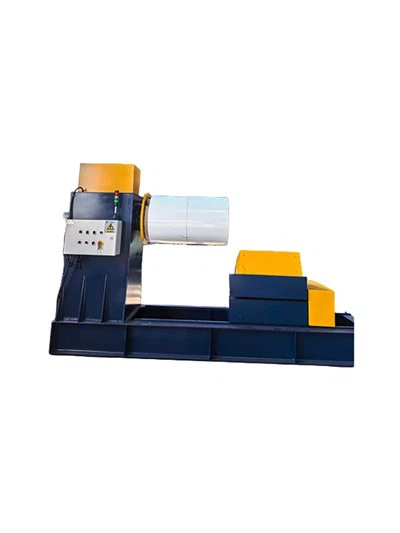
Don’t let error codes stress you out. They’re not there to confuse you—they’re there to keep your molding main unit running for years, not to die early. If you’ve got a code that’s got you stuck, or you need parts to fix it, just get in touch. We’re here to keep your line moving, no hassle.
Feeding Machine References:
- Industrial Molding Machine Maintenance Guide, Manufacturing Engineering Association, 2022
- Hydraulic System Troubleshooting for Molding Equipment, National Tooling and Machining Association, 2021
- Error Code Logic for Thermoplastic Processing Units, International Association of Plastics Manufacturers, 2020
Wuxi Yuanding Machinery Manufacturing Co., Ltd.
We’re well-known as one of the leading molding main unit manufacturers and suppliers in China, also support customized service. Please feel free to buy advanced molding main unit made in China here from our factory. For pricelist, contact us now.
Address: Yaguang Industrial Park, No. 88 Chaoyang South Road, Xishan District, Wuxi City, Jiangsu Province
E-mail: 13861798466@163.com
WebSite: https://www.wxyuanding.com/
